For all orders over £15
Free Shipping
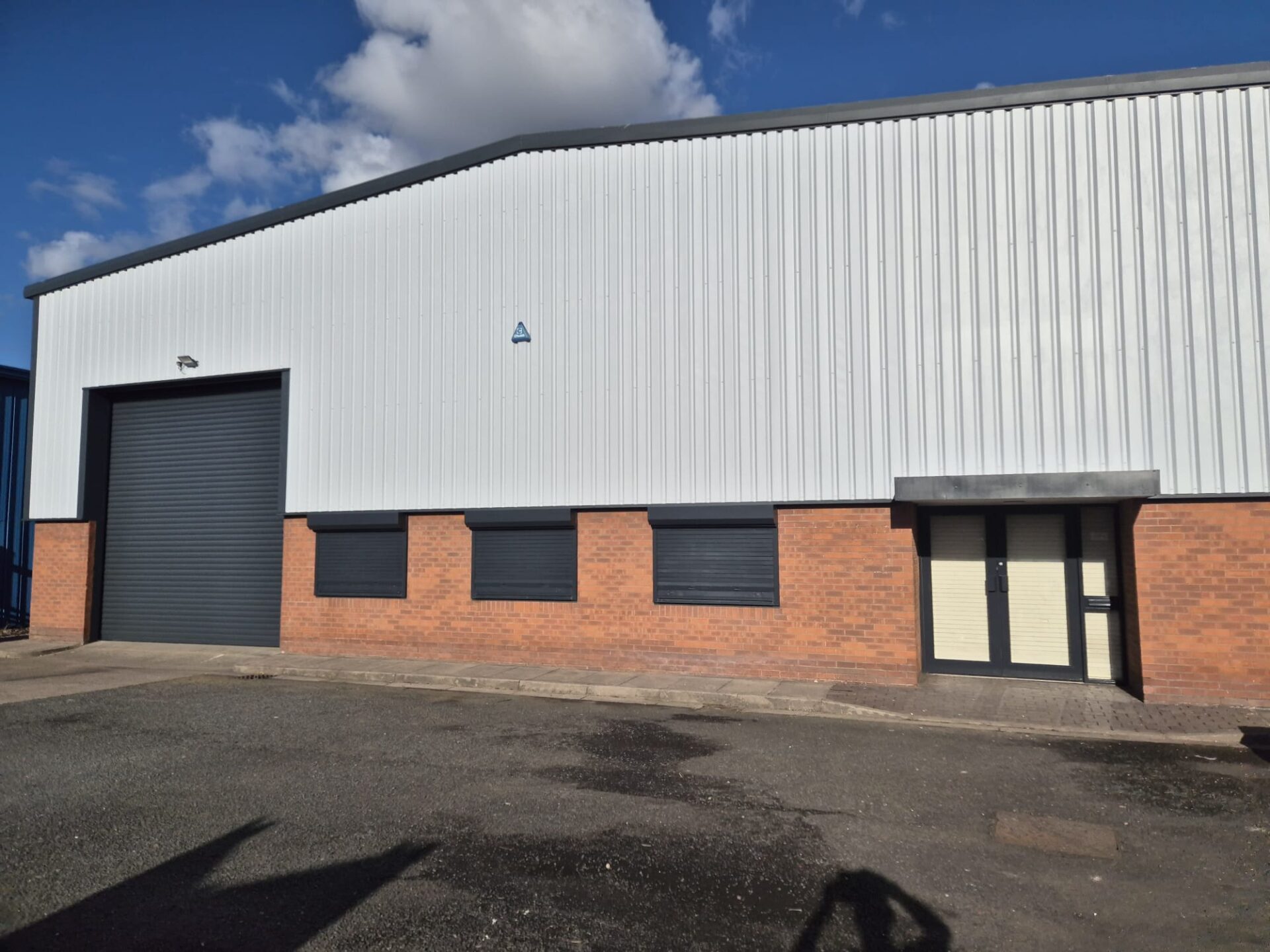
Metal cladding is designed to be durable, but like any external building element, it deteriorates progressively over time due to environmental exposure, UV radiation and moisture ingress. What often starts as a subtle cosmetic issue can quickly develop into more serious structural problems if left untreated. Understanding the stages of deterioration allows building owners and facility managers to take action early avoiding costly repairs or full replacement. Timely intervention using high-performance cladding coatings such as Metal Unicoat can prevent structural damage and significantly extend service life of the building.
Stages of Metal Cladding Deterioration
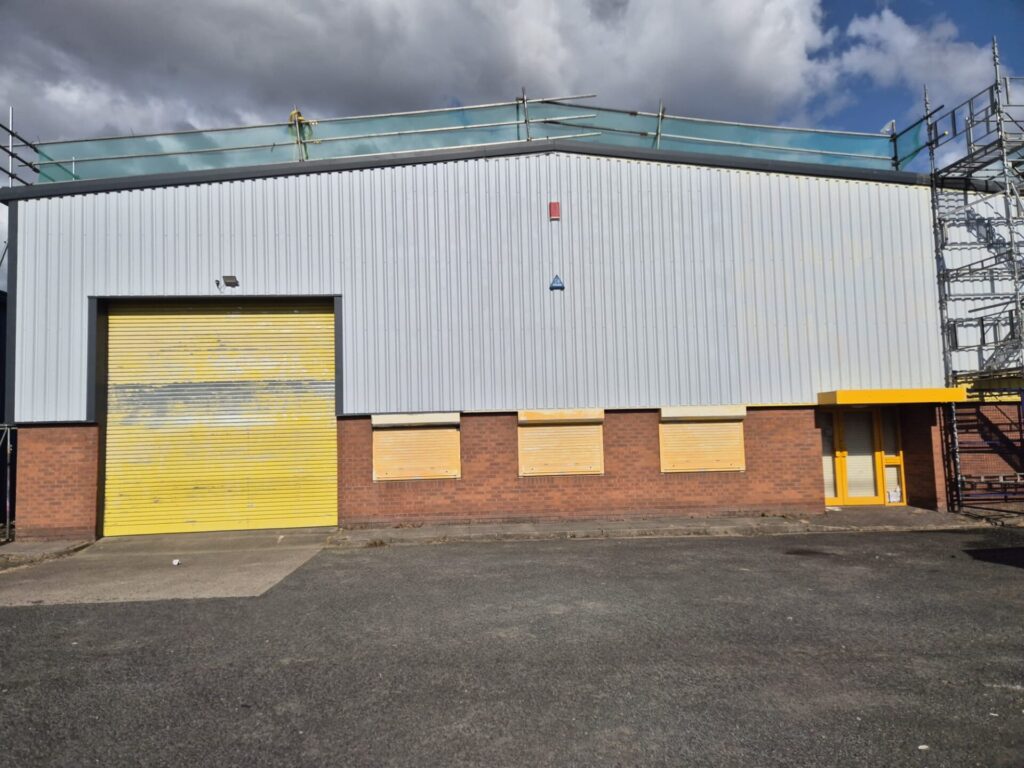
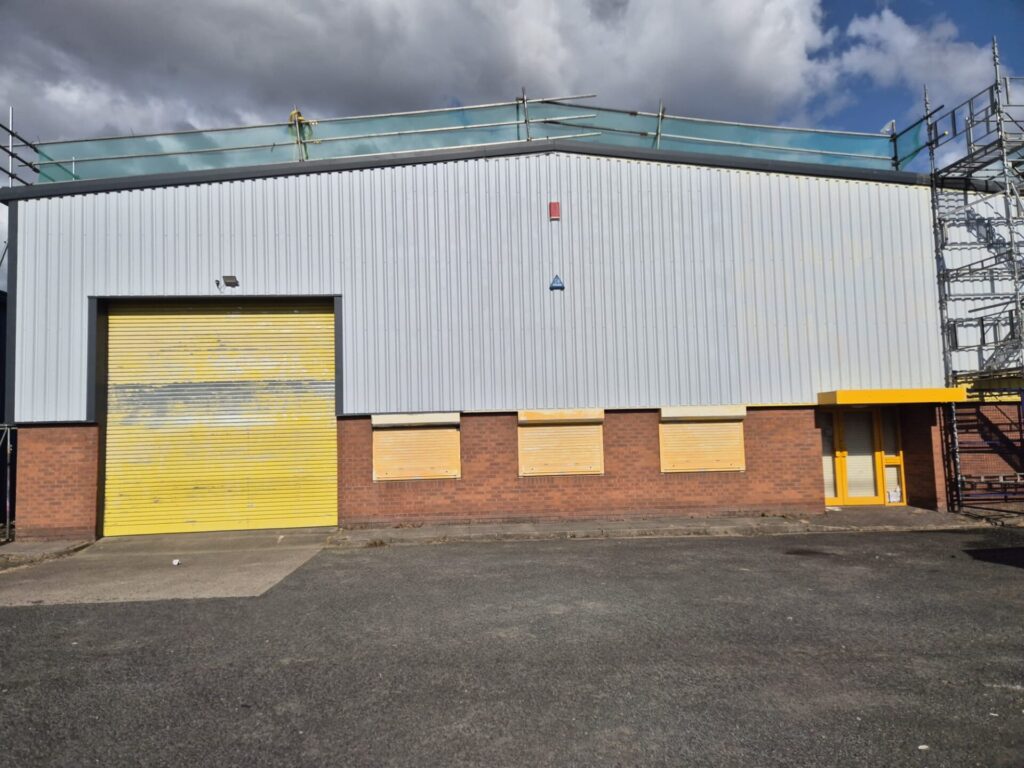
The earliest and most commonly overlooked stage is fading. Caused by prolonged UV exposure and weathering, fading might appear purely aesthetic, but it indicates that the factory applied protective coating is beginning to breakdown. At his stage , the cladding is still structurally sound, making it the best time for invention using a high performance protective coating system. If left untreated, fading develops into chalking leaving a powdery residue on the surface. The polymer on which the factory coating is based is starting to break down, reducing adhesion and exposing the metal cladding to further environmental attack. Now is the time to act, high pressure water cleaning the metal cladding and apply two coats of Metal Unicoat to achieve a total dry film thickness of 180 microns, allowing 3hrs between coats. This is a quick cost effective solution to avoid further breakdown of the cladding.
Detachment and Coating Failure
As deterioration continues, the coating loses adhesion and flexibility leading to cracking and detachment. Once the metal is exposed, corrosion oxidises the metal and corrosion will migrate under the intact surface coating, a phenomena known as “corrosion creep”. The coating will rapidly lose adhesion and large areas of detachment will occur, exposed metal will begin to rust and the cladding will start to lose structural integrity. At this stage, refurbishment becomes more complex, often requiring localised metal repairs before recoating can take place. In cases where extensive rusting has occurred it is recommended to high pressure water blast the surface to remove all loosely adhering paint, then apply a surface tolerant protective coating like Elastometal directly onto the rusty metal, followed by a single coat of Metal Unicoat.
If left untreated the metal cladding system will fail, leaving full replacement as the final option, which is expensive and disruptive, involving operational downtime and significant capital expenditure.
Environmental Impact on Cladding Performance.
Environmental conditions play a major role in how quickly these stages progress. Coastal buildings in particular are far more susceptible to accelerated deterioration. Coastal locations are classified as C5-M according to ISO 12994. Salt laden air increases the rate of corrosion, while high humidity and wind driven rain keep surfaces wetter for longer. In these environments, regular inspections and earlier intervention are essential to maintain protective properties.
Industrial locations , classified as C4, typically have very high airborn pollution from industrial gases such as sulphur and nitrous oxides. These chemicals will condense and deposit on buildings and in humid conditions the acidity of these chemicals will rapidly degrade metal cladding.
In C5-M and C4 conditions, maintenance cycles must be shorter, and high-performance coatings like Metal Unicoat and Monoguard with enhanced exterior durability and adhesion are essential. Designed for refurbishment projects, they offer excellent adhesion to weathered and previously coated surfaces, including galvanised steel. They are both High build, All in One, Primer Finishes. Their durability against UV exposure, high salinity, and industrial environments make them particularly well suited for commercial and industrial buildings. By forming a flexible, protective barrier, they help prevent future cracking, peeling, and corrosion.
Cost Benefits of Early Intervention
Treating metal cladding at the fading-chalking stage with a direct-to-metal coating like Metal Unicoat, can avoid the need for abrasive blasting and metal cladding replacement, reducing site surface preparation and application costs.
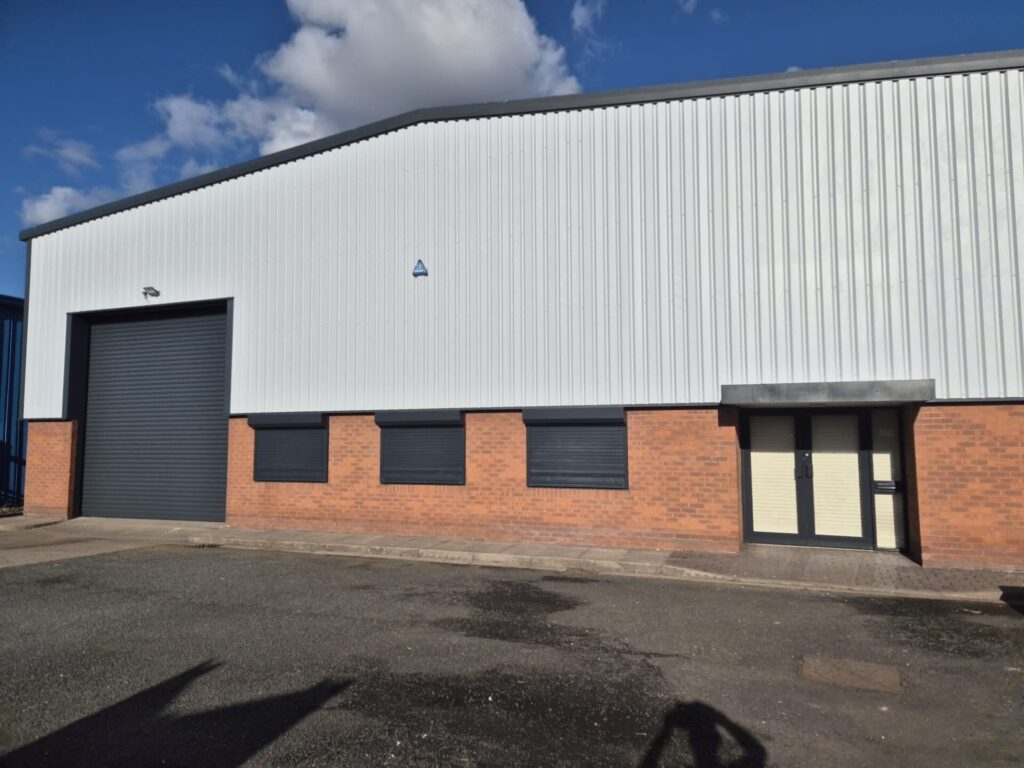
Metal Unicoat is available in a 15% matt finish similar to a factory applied coating like plastisol. It is available in an extensive range of RAL and NCS Colours to compliment existing colour schemes or can be designed to rebrand a building during a change of ownership.
A high-build fast drying system, it can be applied by airless spray up to 90 microns dry film thickness in a single coat. Two coats of the same product can be applied within 3-4 hours with no primers required; it reduces costs associated with scaffolding, labour and materials .
Utilising the latest water-based technology, it is an environmentally compliant coating with low VOC’s and low odour, it can be applied with minimal disruption to normal business operations. Metal Unicoat has high opacity and can completely transform the look of a commercial property making it a saleable asset.
Conclusion
Understanding the stages of metal cladding deterioration enables building owners and facilities managers to implement proactive maintenance strategies. Early intervention using advanced coating systems like Metal Unicoat Cladding Paint reduces long-term costs, prevents structural damage, and extends the operational lifespan of commercial buildings. Improving the value of your building and creating a saleable or rentable asset.
Click on the links throughout the text for more information regarding specific products. Alternatively, contact us using the information below… Email:- sales@avace.co.uk | Phone: 01384 400355 | Business WhatsApp: +441384 400355