For all orders over £15
Free Shipping
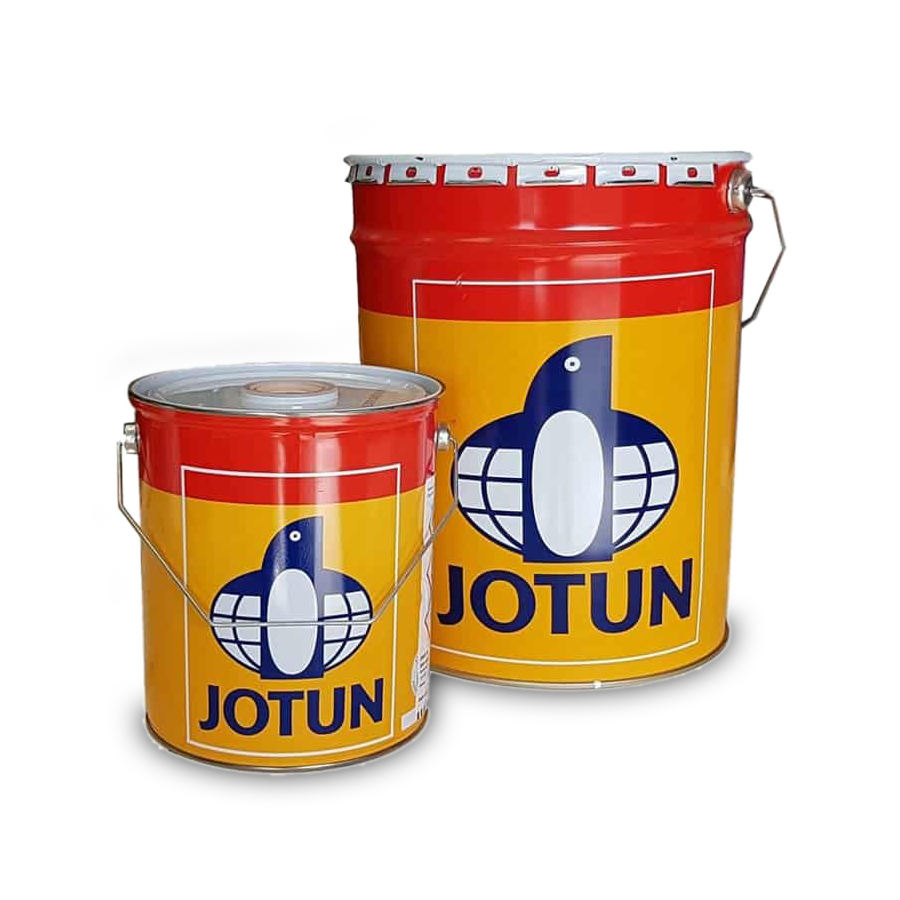

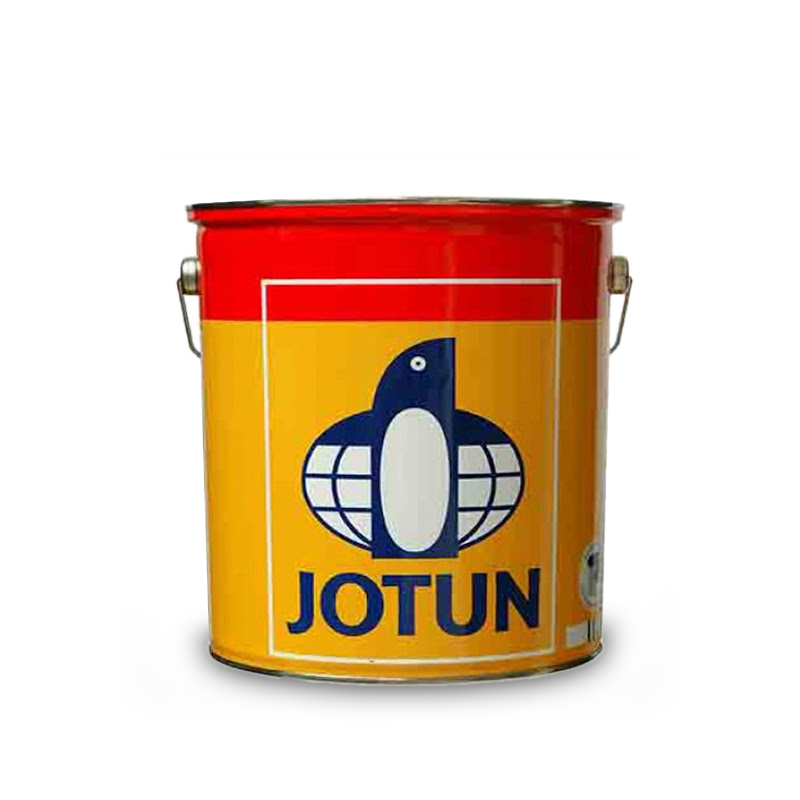
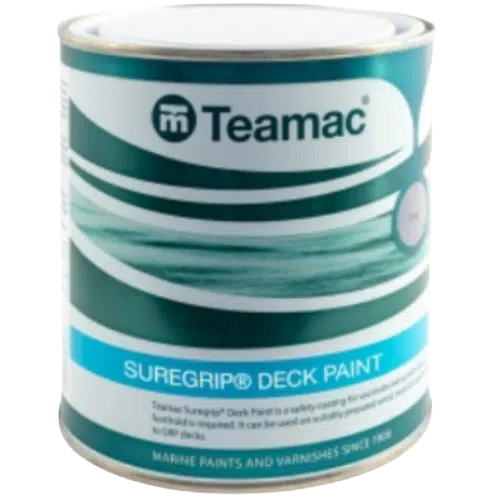
The right system depends on hull material (steel, aluminium, GRP or wood), whether the area is above or below the waterline, and the performance life required before dry docking. For example, surface‑tolerant epoxies such as Jotamastic 90 are ideal for steel hulls where blast cleaning is impractical, while Penguard HB is a high‑build epoxy primer for GRP , aluminium and metal hulls above and below the waterline. Vinyguard Silvergrey is recommended as the primer for wood vessels. Once primed there are a range of tiecoats, topcoats and antifoulings to complete the system.
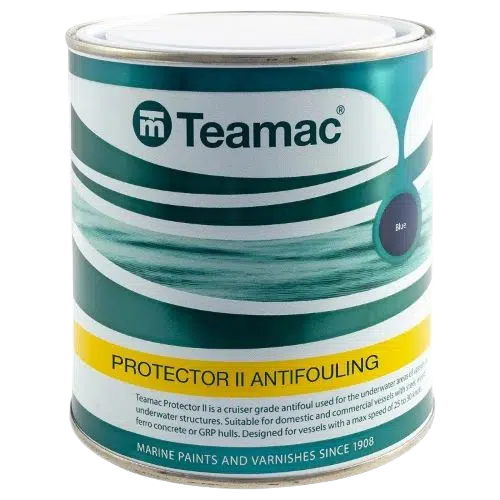
Typically no: above the waterline you would use epoxy primers such as Penguard HB or Jotamastic 90 with polyurethane topcoats like Hardtop XP, AX or HB, while below the waterline you would use coatings suitable for continuous immersion such as Hull Blacking on narrowboats, Jotamastic 90 on steel, or Penguard HB on GRP or Aluminium. Where an antifouling system is required Vinyguard Silvergrey is a suitable tiecoat before applying Jotun Seaforce or Teamac Protector II antifoulings.
Using the correct system in each zone provides better corrosion protection and fouling resistance over the full service life.
Yes, marine gloss paints like Pilot II can be applied over existing sound coatings as long as the surface is thoroughly cleaned, abraded and free from contaminants. Light sanding provides a key, and any loose or flaking paint must be removed before overcoating.
Abrasive blast cleaning is the best method of surface preparation , surface‑tolerant epoxies such as Jotamastic 90 and Jotamastic 87 are specifically designed for situations where abrasive blast cleaning is not practical or economic. These high‑solids, high‑build primers can be applied to mechanically prepared steel surfaces while still providing strong adhesion and long‑term corrosion protection.
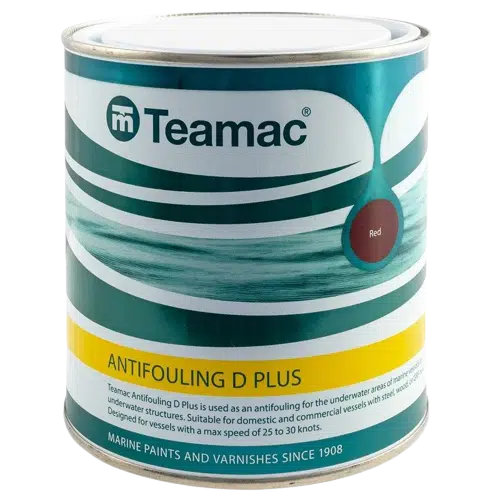
Service life depends on product and operating profile, premium self‑polishing antifoulings like Jotun Seaforce 30M and Seaforce 60M are designed for extended dry‑docking intervals up to five years on appropriately prepared hulls. Economical self‑polishing antifoulings like Teamac Protector II and D Plus typically provide 18–24 months protection for cruising boats up to about 30 knots.
Two‑pack polyurethane topcoats such as Jotun Hardtop XP, AX and HB are formulated for excellent exterior durability, colour and gloss retention in harsh C5‑M marine environments. These finishes provide high resistance to UV, abrasion and weathering when applied over compatible epoxy primers.
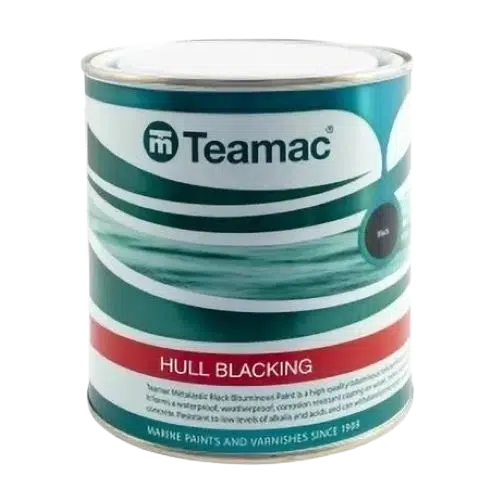
Bitumen based Teamac Hull Blacking is a cost‑effective option for narrowboats and inland waterway vessels, providing a protective, flexible coating for immersed steel, wood and cast iron. However, for seagoing or higher‑speed vessels, epoxy primers plus antifouling generally offer superior long‑term corrosion and fouling control.
The range of Marine topcoats from AVACE is extensive, it includes high‑gloss brushing enamels like Pilot II, gloss polyurethane topcoats such as Hardtop XP and AX, and alternative finishes including semigloss options like Hardtop HB. All these products are available in an extensive range of RAL and British Standard colours. This allows selection of the desired appearance while maintaining durability and corrosion protection.
Most Jotun and Teamac marine primers are available in a standard range of colours in a low gloss finish. The colour selection will depend on the colour of the topcoat, grey primers are compatible with most topcoat colours. On lighter topcoats a white or buff primer maybe better suited. Jotamastic 90 is a unique surface tolerant epoxy primer which can be tinted to many RAL and BS colours.
A tie coat such as Vinyguard Silvergrey is commonly used over epoxy primers like Jotamastic 90 or Penguard HB to promote adhesion and provide a compatible surface for Seaforce antifoulings. This intermediate step helps reduce the risk of delamination and supports a longer‑lasting antifouling system.